We do not fly the mission the book describes. We find the mission that can actually be flown, and then the book changes.
The governing principle
One author: novels, biblical history, a dissertation in computational number theory, and a validated deep-space mission simulator the fiction was backfitted to.
Curiosity and imagination, rigorously applied
Start here
A deep, strange catalogue. Pick a door.
Two shelves: the Cycle’s fiction and the faith-and-history work. Start with Platinum Void or with the dissertation — they are the same argument in two registers.
The bookshelf → I want to flyTwenty-five flown and canon missions, free. Build your own rocket, plan anywhere-to-anywhere, run surface excursions — and find out whether it closes.
Fly a Mission → I want to teachA three-tier curriculum with exercises and answer keys, built on the same engine. Students free, forever. The theory manual is never paywalled.
The classroom →The engine, honestly
A validated digital twin, not a special effect
The simulator behind the novels was validated against five flown spacecraft. It is the reason the books can claim their physics: the trajectory came first, and the chapter was written to it.
It also refuses to flatter you. When a rocket cannot make its mission, the answer is not a nudge toward a better design — it is the shortfall, in tons.
Does not close
MISSION   Earth → Ceres, crewed, 2049 window
Δv REQ    11.482 km/s
Δv AVAIL   9.907 km/s
SHORTFALL  −1.575 km/s  ·  propellant deficit 214.6 t
VERDICT   DOES NOT CLOSE
          example run - fly your own and it returns your numbers
Why the shelves belong together
One argument runs through all of it
Check the thing before you believe it, and change your story when the check fails. In the novels that is a trajectory that does not close. In the biblical history it is a claim that has to survive the evidence. In the dissertation it is a structure in the semiprimes that either shows up in the data or does not. A working piece of that last argument is live on this site: type a number and watch it come apart against a deck of consecutive primes.
The shelf
Books
Fiction — the Cycle
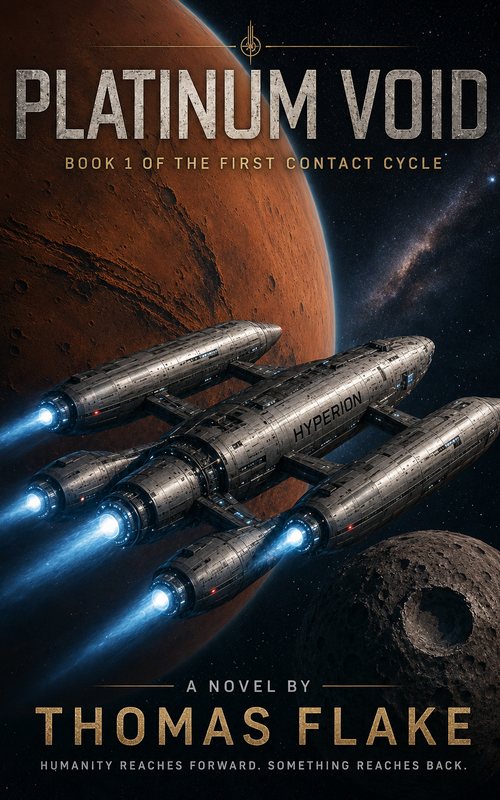
Every trajectory in these books was flown in the engine above before it was written.
Faith & History

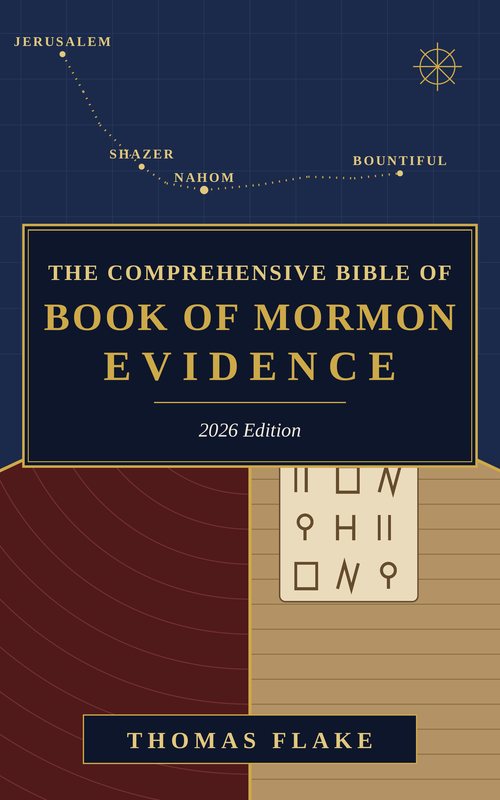
The dispatch
What the model said this month
One letter a month: what changed in the engine, what that did to the story, and which mission failed most interestingly.
The dispatch is not open for sign-ups yet. It opens when the mailer is chosen — come back, or watch Fly a Mission, where it lands first.